Chasing absolute optimization, for the athlete.
Two obsessive builders on a single mission: absolute optimization of every millimeter, every millisecond, every line of code. We over-engineer every layer of ORCA because athletes deserve a tool that actually propels them forward, not another piece of gear that decorates the platform.
Two specialists. One standard.
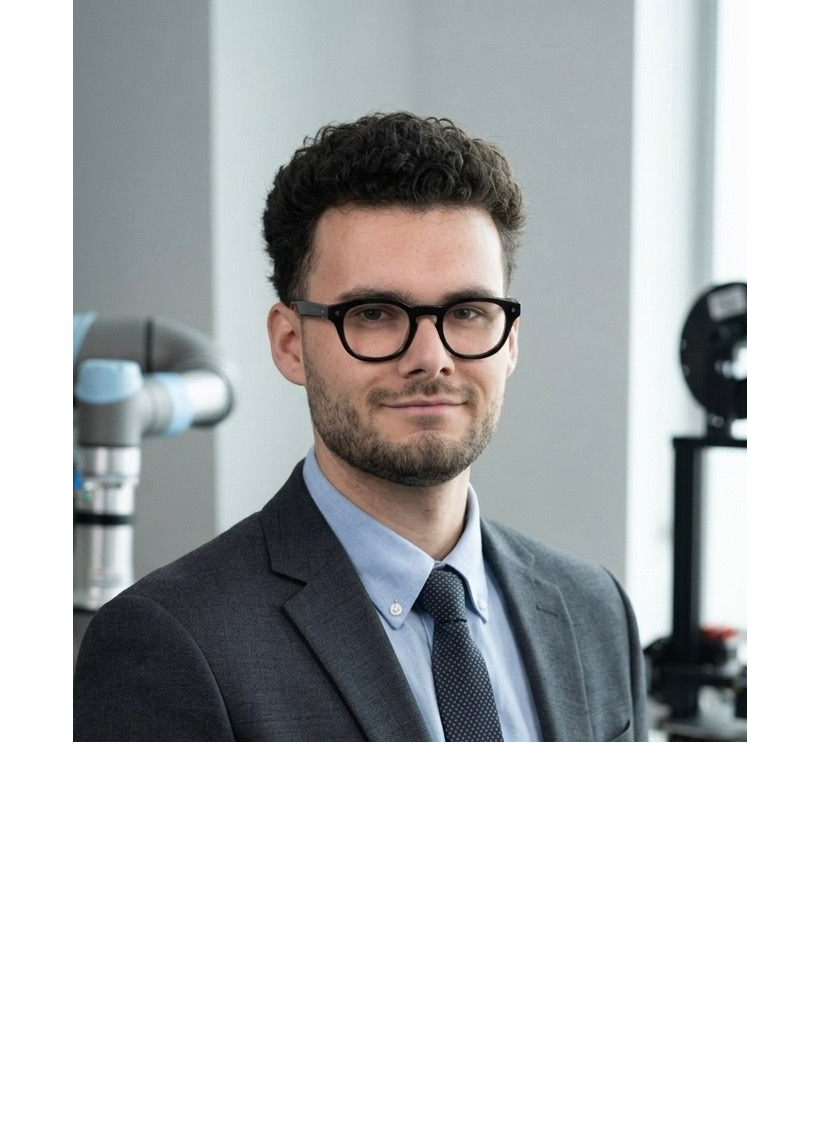
Leo is a computational simulation and software specialist who also specializes in mechanical engineering and optimization. An elite track cyclist and national medalist, he pairs the athlete's perspective with an obsessive pursuit of engineered perfection. His strength is making the physics, the firmware, and the user experience agree with each other across every layer of a product.
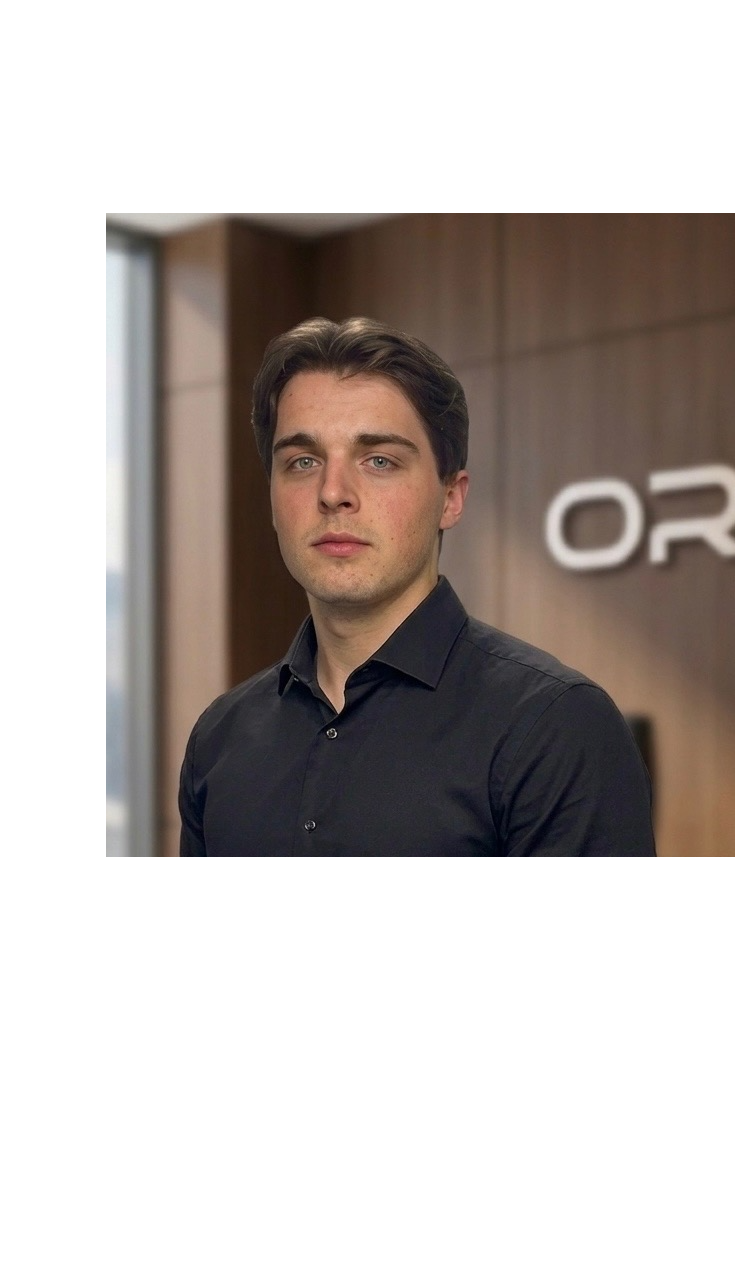
Nicolas is a national track cycling champion, entrepreneur, and co-founder of ORCA Strength Systems. His background combines competitive sport with years of building products and entrepreneurial ventures, shaping an approach where performance, engineering, and real-world use are inseparable. He leads ORCA with a simple philosophy: better technology should make performance simpler, not more complicated. Every decision matters, from the ones athletes experience every day to the details they may never see. The unseen defines the outcome.
A great product is the sum of every obsession.Nothing less ships.
VBT has been proven for years. The tools around it have not kept up. Signal chains are loose, mechanical tolerances are casual, apps feel like afterthoughts. The industry treats the athlete as an afterthought.
We are two obsessive builders on a single mission: absolute optimization of every millimeter, every millisecond, every line of code. If a component can be tighter, quieter, or more honest with the athlete, it gets rebuilt until it is.
The goal is simple. Give athletes a product that truly propels them forward, and give coaches numbers they can trust the moment they hit the screen.
Instrumentation should propel the athlete, never slow them down.
A training device that requires a laptop, a certification, or a five-minute calibration ritual is not a training device. It is a tax on the session. ORCA is built the other way: snap the sensor on, open the app, lift. Every number on the screen is one an athlete can act on mid-set and a coach can trust at a glance.
That is the standard we hold every decision to. Physics before marketing. Reliability before features. Athlete first, always.
Over-engineering as a first principle.Elite sport as the reason it matters.
We are specialists who obsess over the physics, the electronics, the mechanics, and the code. The rule we hold ourselves to is simple: whenever a cheaper part would have been good enough, we did not use it. Every signal is characterized, every tolerance is deliberate, every line of firmware exists for a reason.
That is why the case is precision-sintered from PA-12 nylon, chosen for impact absorption and fatigue life rather than for cost, why the magnets are N52 neodymium holding at 200 N, and why two research-grade IMUs report velocity at 200 Hz to three decimals in m/s. Those are consequences of the rule, not headlines.
The elite sport background is what keeps the over-engineering honest. We know what an athlete needs from a training device because we have been the athlete. Nothing on the product is decorative. Nothing is guessed.